Vertical Video Ad Zones, Ranked: A Platform-by-Platform Guide to Where Your Budget Performs Best
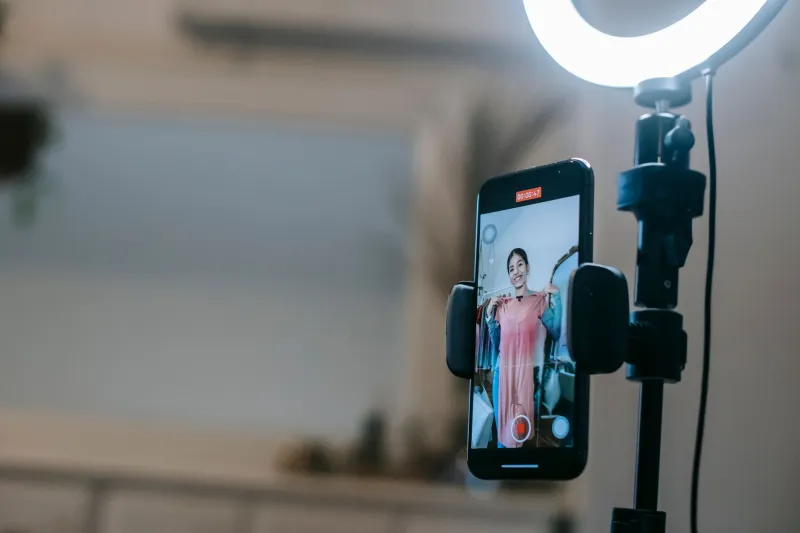
Vertical video isn't a trend anymore. It's the format. More than 90 percent of mobile video consumption in the United States now happens in portrait orientation, and the major platforms have restructured their entire ad ecosystems around that reality. Short-form vertical content dominates feeds, discovery surfaces, and increasingly, connected TV interfaces.
But here's what the format-level enthusiasm glosses over: TikTok is not Instagram Reels. YouTube Shorts is not Snapchat Spotlight. Each platform carries a distinct user psychology, demographic composition, and advertiser cost structure. Deploying the same vertical video creative across all of them—as many brands do—is the equivalent of running the same radio spot on a country station, a hip-hop station, and a classical music station and expecting uniform results.
This breakdown gives US marketers the platform-specific intelligence needed to match their products, audiences, and budgets to the vertical video zones where they'll generate the strongest return.
TikTok: The Attention Economy's Most Demanding Arena
Audience profile: Skews younger, with 18–34 year-olds representing the core advertising demographic, though the 35–54 segment has grown substantially. Particularly strong penetration in urban and suburban US markets.
Ad formats to know: In-Feed Ads, TopView (first impression upon app open), Branded Hashtag Challenges, and Spark Ads (boosted organic content).
Engagement characteristics: TikTok's algorithm is content-quality-driven, not follower-driven. This means a well-crafted ad from a brand with zero TikTok following can outperform a polished spot from a major advertiser if it resonates with the platform's native aesthetic. The first two seconds are decisive—users scroll without hesitation.
Cost benchmarks: CPMs typically range from $8 to $20 for In-Feed placements, with TopView commanding significantly higher rates. Cost-per-click averages hover between $0.50 and $1.50, though competitive categories push higher.
Where it works: Direct-to-consumer brands, entertainment, fashion, food and beverage, and any category where demonstration-style creative thrives. The platform rewards authenticity—overly produced ads frequently underperform organic-style content.
Campaign example: A US-based skincare brand shifted 30 percent of its Meta budget to TikTok In-Feed Ads using creator-style content filmed on an iPhone with minimal post-production. The campaign generated a 3.2x return on ad spend—outperforming its polished Meta creative by a significant margin—because the format felt native to the feed rather than interruptive.
Instagram Reels: Premium Audiences, Premium Prices
Audience profile: Broader age distribution than TikTok, with strong representation across 25–44 demographics. Higher average household income skew compared to TikTok. Particularly effective for lifestyle, beauty, home, and aspirational product categories.
Ad formats to know: Reels Ads (full-screen vertical, up to 60 seconds), Stories Ads, and Carousel formats adapted for vertical viewing.
Engagement characteristics: Instagram's ad environment benefits from higher purchase intent signals. Users on Instagram are more accustomed to encountering brand content and, in many categories, more predisposed to transactional behavior. The platform's shopping integrations make it particularly effective for lower-funnel campaigns.
Cost benchmarks: CPMs range from $12 to $30, reflecting the premium audience composition. However, cost-per-purchase metrics in retail categories frequently justify the higher entry cost.
Where it works: E-commerce brands with visually compelling products, B2C service providers, and any advertiser whose target customer skews toward the millennial-to-Gen-X professional demographic.
Campaign example: A US furniture retailer running Reels Ads featuring quick room transformation videos achieved a 2.8x ROAS and a 22 percent lower cost-per-purchase compared to its standard feed placements—primarily because the full-screen format enabled more immersive product storytelling.
YouTube Shorts: The Search-Intent Advantage
Audience profile: The broadest age demographic of any vertical video platform, reflecting YouTube's position as the dominant video destination across all US age groups. Particularly strong with 25–54 audiences.
Ad formats to know: Shorts Ads (non-skippable, up to 60 seconds), and traditional in-stream formats that now appear within the Shorts feed.
Engagement characteristics: YouTube's search heritage creates a fundamentally different user intent context. People arrive on YouTube with purpose—to learn, research, or be entertained around specific interests. Shorts Ads that align with that intent (tutorial-style, informational, problem-solution formats) consistently outperform purely entertainment-driven creative.
Cost benchmarks: CPMs for Shorts placements range from $6 to $15, making them among the more cost-efficient vertical video zones for reach-focused campaigns. View-through rates tend to be stronger than TikTok or Reels due to higher average session intent.
Where it works: Home improvement, financial services, technology, health and wellness, and any category where educational content drives purchase decisions. YouTube's audience is actively receptive to content that helps them make better decisions.
Campaign example: A US software company running Shorts Ads featuring 45-second product demos saw a 40 percent lower cost-per-trial signup compared to the same creative running on Meta platforms—a direct reflection of the higher research intent of the YouTube audience.
Snapchat: The Underrated Performance Channel
Audience profile: Heavily concentrated in the 13–34 demographic, with particularly strong penetration among US Gen Z users who have drifted away from Instagram. Often overlooked by performance marketers, which creates a less competitive bidding environment.
Ad formats to know: Snap Ads (full-screen vertical video), Dynamic Ads, and Collection Ads for e-commerce.
Cost benchmarks: CPMs frequently fall between $3 and $10—among the lowest in the vertical video category—making it an attractive testing ground for brands willing to adapt creative to the platform's distinct aesthetic.
Where it works: Gaming, entertainment, quick-service restaurants, fashion, and any brand actively targeting the under-25 demographic. The lower CPM environment makes it particularly appealing for brands with limited budgets seeking meaningful Gen Z reach.
Emerging Zones: Pinterest Video and LinkedIn Video
Pinterest Video Ads serve a vertical video format to an audience with exceptionally high purchase intent—users are actively planning purchases, home projects, and lifestyle decisions. CPMs are moderate, but conversion rates in home, fashion, and food categories frequently outperform more crowded platforms.
LinkedIn Video Ads operate in a category of their own: professional context, B2B intent, and audience targeting by job title, industry, and company size. CPMs are the highest of any platform discussed here ($30–$80+), but for B2B advertisers, the precision of audience targeting makes the cost defensible.
Matching Platform to Product: A Quick-Reference Framework
| Platform | Best For | Avg. CPM | Key Strength |
|---|---|---|---|
| TikTok | DTC, entertainment, youth brands | $8–$20 | Algorithmic reach, authenticity |
| Instagram Reels | Lifestyle, e-commerce, aspirational | $12–$30 | Purchase intent, shopping integration |
| YouTube Shorts | Education, research-driven categories | $6–$15 | Search intent, broad demographics |
| Snapchat | Gen Z, gaming, QSR | $3–$10 | Cost efficiency, youth reach |
| Pinterest Video | Home, fashion, planning categories | $8–$18 | High purchase intent |
| LinkedIn Video | B2B, professional services | $30–$80+ | Precision professional targeting |
The Placement Decision Is the Strategy
Vertical video as a format is table stakes. The competitive advantage lies in understanding which vertical video zone serves your audience, your creative, and your budget most efficiently. A campaign that dominates the right platform will outperform one that spreads budget evenly across all of them—every time.
At AdZone Adz, we believe that amplifying your brand means more than being everywhere. It means being exactly where your audience is, in the format they're most receptive to, at the moment they're most ready to act.